
Designing your transport and logistics solution. Open 8:30 AM - 6:00 PM


Cultural perspectives on gambling An exploration of beliefs and practices across societies
The Historical Context of Gambling
Gambling has been an integral part of human culture for centuries, with its roots tracing back to ancient civilizations. Archaeological findings suggest that gambling activities were prevalent in societies like the Mesopotamians and Ancient Egyptians, where dice and betting on outcomes were common forms of entertainment. Additionally, platforms such as 1Win India showcase how these historical contexts indicate that gambling was not merely seen as a recreational activity but also as a social and cultural event, often linked to religious practices and rituals.
In many cultures, gambling was intertwined with the idea of fate and luck. Ancient Romans, for example, associated dice games with the divine, believing that the outcome was dictated by the gods. This perspective highlights the inherent belief in chance versus skill, where the act of gambling itself became a spiritual endeavor. As societies evolved, these historical beliefs and practices significantly influenced contemporary approaches to gambling and its acceptance within different cultures.
Moreover, as trade routes expanded and cultures intermingled, the exchange of gambling practices became commonplace. For instance, the introduction of poker in the United States was heavily influenced by European card games. Such historical exchanges illustrate how gambling evolved over time, adapting to local customs while retaining core beliefs about luck and skill. Understanding these historical contexts provides a deeper insight into current cultural perspectives on gambling.
Cultural Attitudes Towards Gambling
Cultural attitudes towards gambling vary significantly around the globe, often influenced by religious beliefs, societal norms, and economic factors. In some cultures, like those in parts of Asia, gambling is often viewed through a spiritual lens, where it serves as a means of fortune-seeking. Countries like China celebrate events such as the Lunar New Year with traditional gambling games, reflecting a cultural embrace of luck and prosperity.
Conversely, other societies, particularly in regions with strong religious convictions, may regard gambling as morally wrong. In many Islamic countries, for example, gambling is strictly prohibited due to its association with chance and the belief that it promotes greed. Such cultural attitudes shape public perception, legal frameworks, and the overall accessibility of gambling activities, further underscoring the complexity of the issue.
Additionally, the rise of online gambling platforms has transformed cultural perspectives, particularly among younger generations. The digitalization of gambling has made it more accessible and socially acceptable, leading to a shift in attitudes that prioritize entertainment over stigma. As societies continue to adapt to technological advancements, the cultural dialogue surrounding gambling will inevitably evolve, blending traditional beliefs with modern practices.
The Role of Luck versus Skill
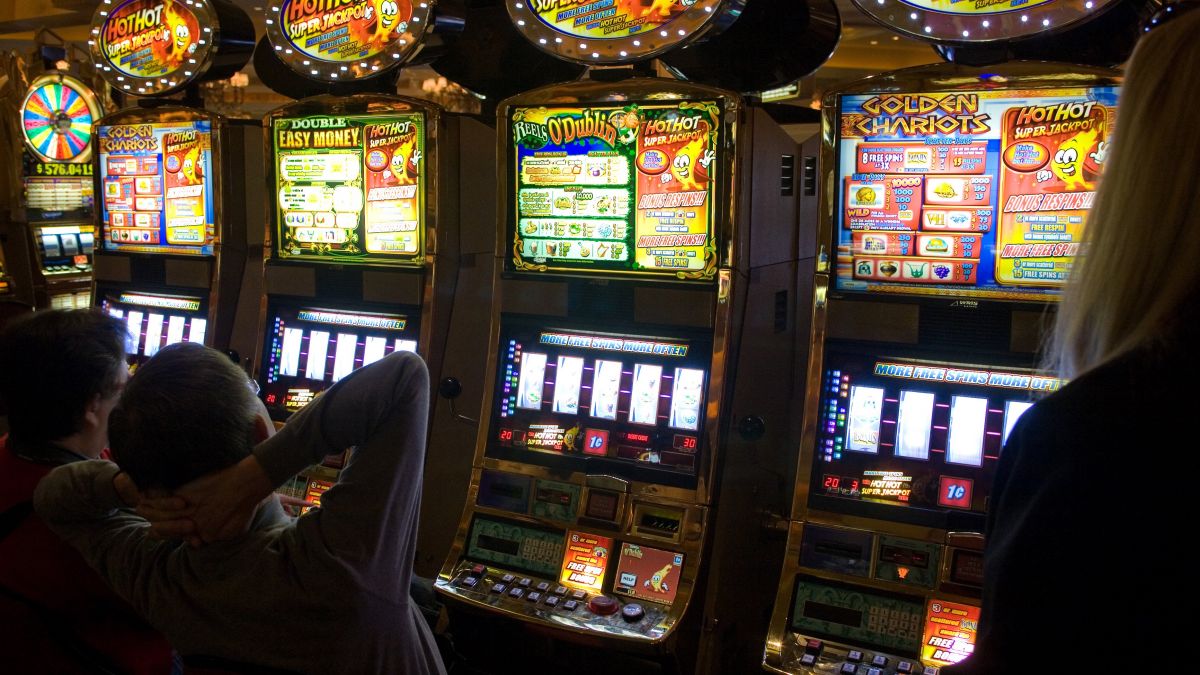
The debate over luck versus skill in gambling is a significant aspect of cultural perspectives worldwide. In some cultures, games of chance, such as lotteries or slot machines, are primarily viewed as luck-based activities. This belief underscores a fatalistic approach, where winning is seen as a matter of destiny rather than individual prowess. Such perspectives are prevalent in cultures that emphasize spirituality and the unpredictability of life.
On the other hand, in cultures that embrace strategic games such as poker or blackjack, skill is often considered paramount. In these contexts, players are encouraged to develop strategies and hone their abilities, which can lead to a sense of achievement beyond mere luck. The distinction between luck and skill not only influences individual gaming strategies but also shapes the overall perception of gambling in various societies.
This dichotomy between luck and skill is further complicated by the integration of technology in gambling. With the advent of algorithms and sophisticated gaming systems, some argue that skill can be applied more systematically, thereby diminishing the role of luck. As the cultural landscape evolves, the discussion around luck versus skill continues to be a focal point, influencing how gambling is viewed and experienced across different societies.
Social Implications of Gambling
The social implications of gambling are profound, affecting individuals and communities alike. In many cultures, gambling serves as a social glue, bringing people together during communal activities. Events centered around betting, such as sports games or local fairs, foster community engagement and camaraderie, illustrating gambling’s role in social bonding.
However, the social impact of gambling is not entirely positive. Problem gambling can lead to significant social issues, including addiction, financial distress, and familial breakdowns. In cultures where gambling is prevalent, these challenges often lead to community debates about regulation and support systems. The need for responsible gambling practices has sparked discussions about creating awareness and providing resources for those impacted.
Furthermore, gambling’s social implications extend to economic benefits for communities. Many regions rely on tourism driven by gambling establishments, which can create jobs and generate revenue. However, this reliance raises ethical questions about the sustainability of such economic models, especially in cultures where gambling’s negative consequences are prominent. Thus, the social dynamics of gambling remain a complex and nuanced topic across different cultures.
Gambling in the Modern Age
In the modern age, gambling has experienced a dramatic transformation with the advent of online platforms. The rise of digital gambling has not only made it more accessible but has also changed the way people interact with gambling. Virtual casinos, sports betting apps, and online poker rooms provide a plethora of options for players, leading to an unprecedented level of engagement. This digital shift has reshaped cultural perspectives, normalizing gambling as a form of entertainment rather than a taboo.
Moreover, as society grows more interconnected, the blending of cultural perspectives has influenced gambling practices. For instance, online platforms often incorporate elements from various cultures, allowing for a richer, more diverse gambling experience. This cultural exchange highlights the adaptability of gambling practices, showing how they can transcend traditional boundaries while still maintaining unique cultural identities.
As regulatory frameworks catch up with technological advancements, the conversation around responsible gambling has gained momentum. Many cultures are beginning to prioritize the development of safeguards to protect players while still embracing the entertainment aspects of gambling. This balance between innovation and responsibility is crucial for the future of gambling across diverse societies.

Conclusion: A Comprehensive Look at Gambling Across Cultures
The exploration of cultural perspectives on gambling reveals a rich tapestry of beliefs and practices that vary significantly from one society to another. Historical contexts, cultural attitudes, and the ongoing debate over luck versus skill all contribute to the unique ways communities engage with gambling. As society progresses, these cultural dynamics are likely to evolve, reflecting both traditional values and modern influences.
Understanding the diverse perspectives on gambling is essential for fostering a responsible approach that respects cultural values while encouraging safe practices. As platforms like 1Win emerge, offering extensive gaming options and a secure environment, the importance of cultural sensitivity in gambling becomes even more apparent. By promoting responsible gambling while appreciating diverse beliefs, we can create a more inclusive and respectful gaming community.